
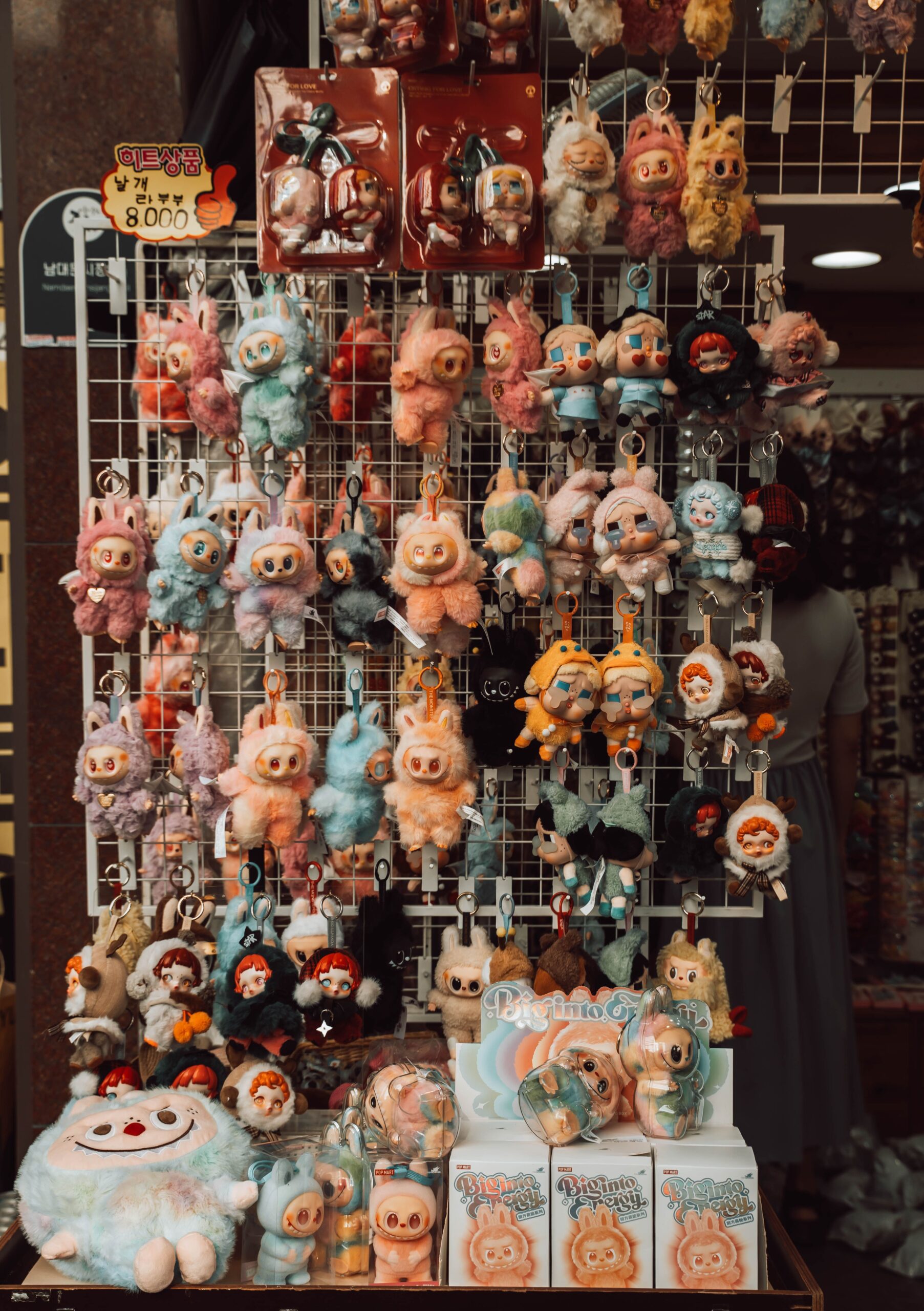
Every recession has its coping mechanisms, yet each new generation is keen to reinvent survival. From alcohol, hard drugs and betting on your favourite football team winning; there is a plethora of activities to participate in. This time, Gen Z have resorted to a child-like state, where problems don’t exist and the latest Labubu keyring adorning their bag is enough to keep them going through treacherous times. A generation celebrated for declining rates of smoking and alcoholism, has however succumbed to its gambling instincts. The Chinese, goblin-llama hybrid is the latest blind box craze that’s driven the concept to global popularity. Despite its devilishly cute appearance, how is it affecting globalisation and China’s economy? Why has mass hysteria descended upon the population over this toy? The curse of the Labubu reveals why you should keep a closer eye on “stupid fads”, as it reveals a complex look into human behaviour and global politics. Who would’ve thought?
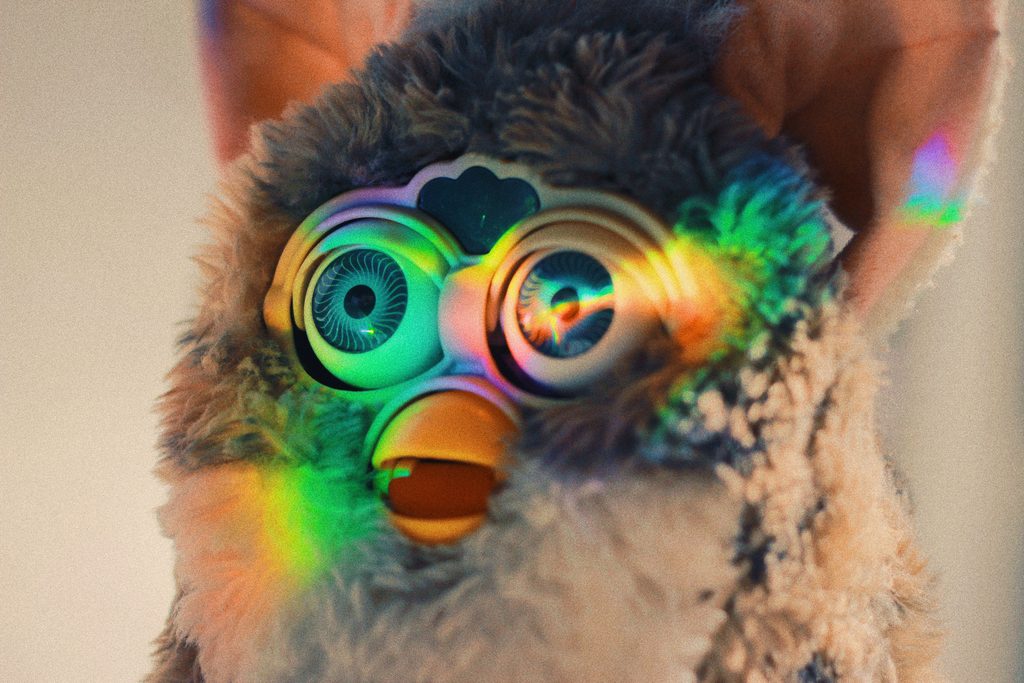
In 1998, we had Furbies and now history has repeated itself with the Labubu. I remember how much I loved Furbies as a kid, and its 2025 wannabe gives me nearly the same amount of joy. Opening a blind box is like ripping open Christmas presents early- perhaps a type of joy that every adult craves and needs in today’s economy. People like to feel generationally superior when they hear about the latest fads. The fights, the queues and the astronomical reseller market of the Labubu has put a foul taste in some peoples’ mouths. It wasn’t like that in my day!
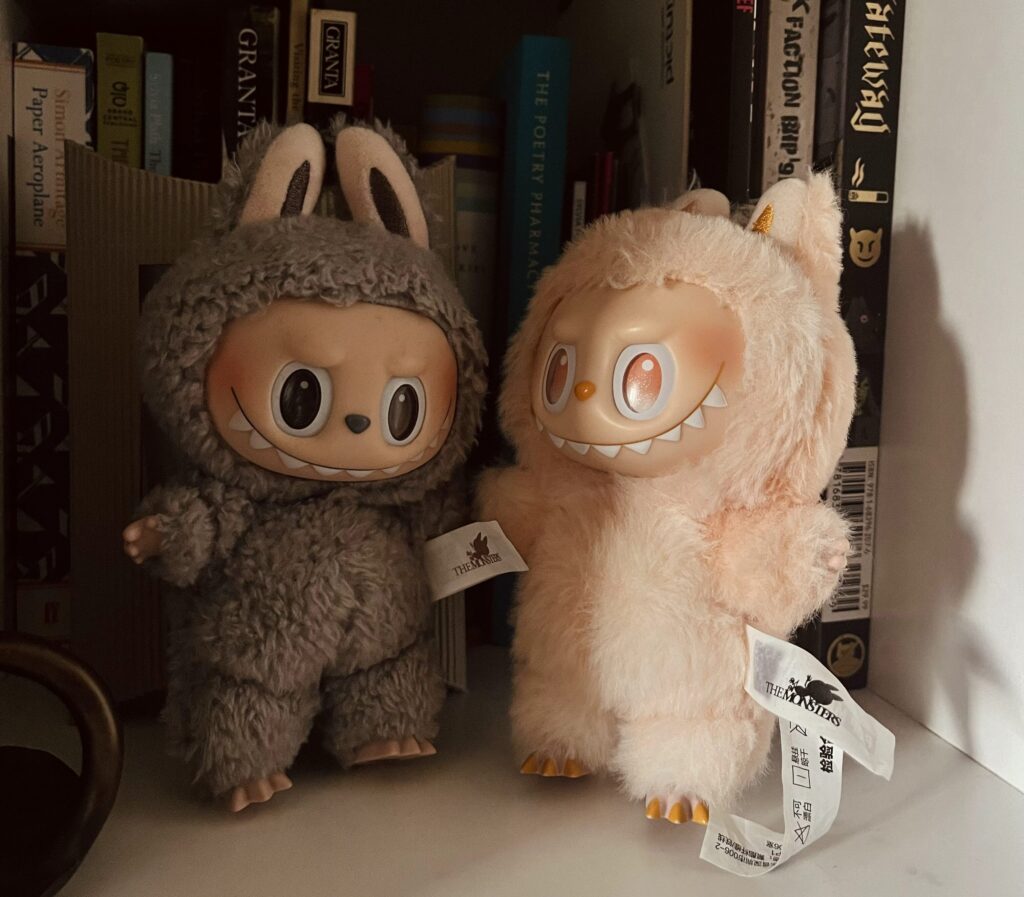
That being said, I do think that the social media boom has made consumer culture more erratic in several ways. Pop Mart (the official seller of Labubus) have resorted to taking their most sought-after products of the shelves because there’s always a snotty-faced adult at the front of the line, right as the store opens, ready to buy the entire stock. Nowadays, if you seek to possess a Labubu you must enter an online draw where you might just win the chance to go and buy it in store- granted you have your ID on you. To be fair, maybe you didn’t have it like that back in your day. However, could this rise in overconsumption and thirst for child-like wonder be a recession indicator?
During times of economic uncertainty, people indulge in small luxuries that make them feel good. After 9/11, the “lipstick effect” was coined due to a surge in lipstick sales, showcasing that although people couldn’t afford to splurge on vacays and designer bags- everyone still needed something special in their life. After seeing countless celebrities repping the blind box keyrings on their bags, it’s no wonder that even adults have begun to reach for these toys. Whether it’s a pay day treat, or a mid-life crisis pick-me-up, the Labubu has become a status symbol as well as a reflection of economic disparity.
However, the Labubu also symbolises a new level of consumerism- the immigration of Asian internet culture into our western world and bastardisation of trends. Internet culture journalist, Ryan Broderick explains that Chinese-owned TikTok isn’t competing with Facebook or YouTube but in fact, with Amazon. China may not have free speech online but the lure of online shopping keeps many of its citizens distracted. This model is now rapidly spreading into the West. A doomscrolling session now doesn’t just involve funny cat videos but also a shopping cart full of cat toys, a few things your cat definitely doesn’t need and a couple of face creams that you’re convinced will make you immortal. Trends are now like Russian nesting dolls; it starts with Dubai chocolate and ends with Dubai Labubu matcha. In the social media era, it seems that people no longer know how to be innately cool. Copying, following and reproducing things they see online is the easiest way to appear popular. It’s an endless cycle that feeds back into itself. Users are practically selling to themselves as trend participation further advertises products.
Unlike China, America didn’t always blur the lines between social media and marketplace because it isn’t a manufacturing powerhouse. Now, with apps like TikTok, AliExpress and rednote growing in popularity within the West; China’s economy is booming. Everyone wants a slice of the Labubu. So much so that “made in China” is starting to mean something good. Now, that’s not to say that the masses are going to start getting “made in China” tramp stamps but expect to see it in your shops and in your feed a lot more. Is this a positive example of globalisation or will local producers be priced out by cheap overseas labour? The implications are yet to be revealed but next time you see a cute toy think twice.
Although the Labubu looks innocent, it has created something much larger than itself. An economic powerhouse, gambling sensation or symbol of revolution- who knows what it could be next?